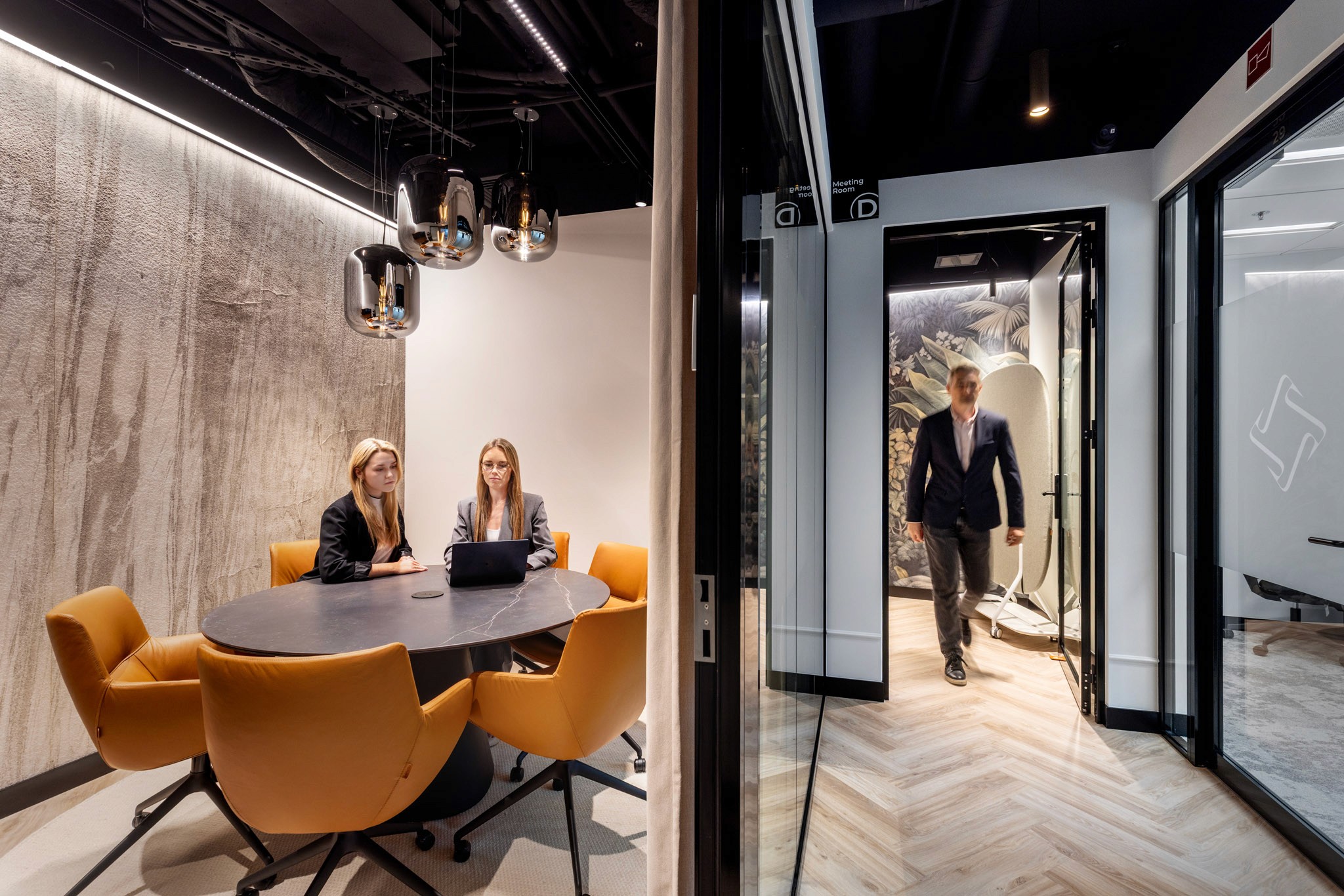
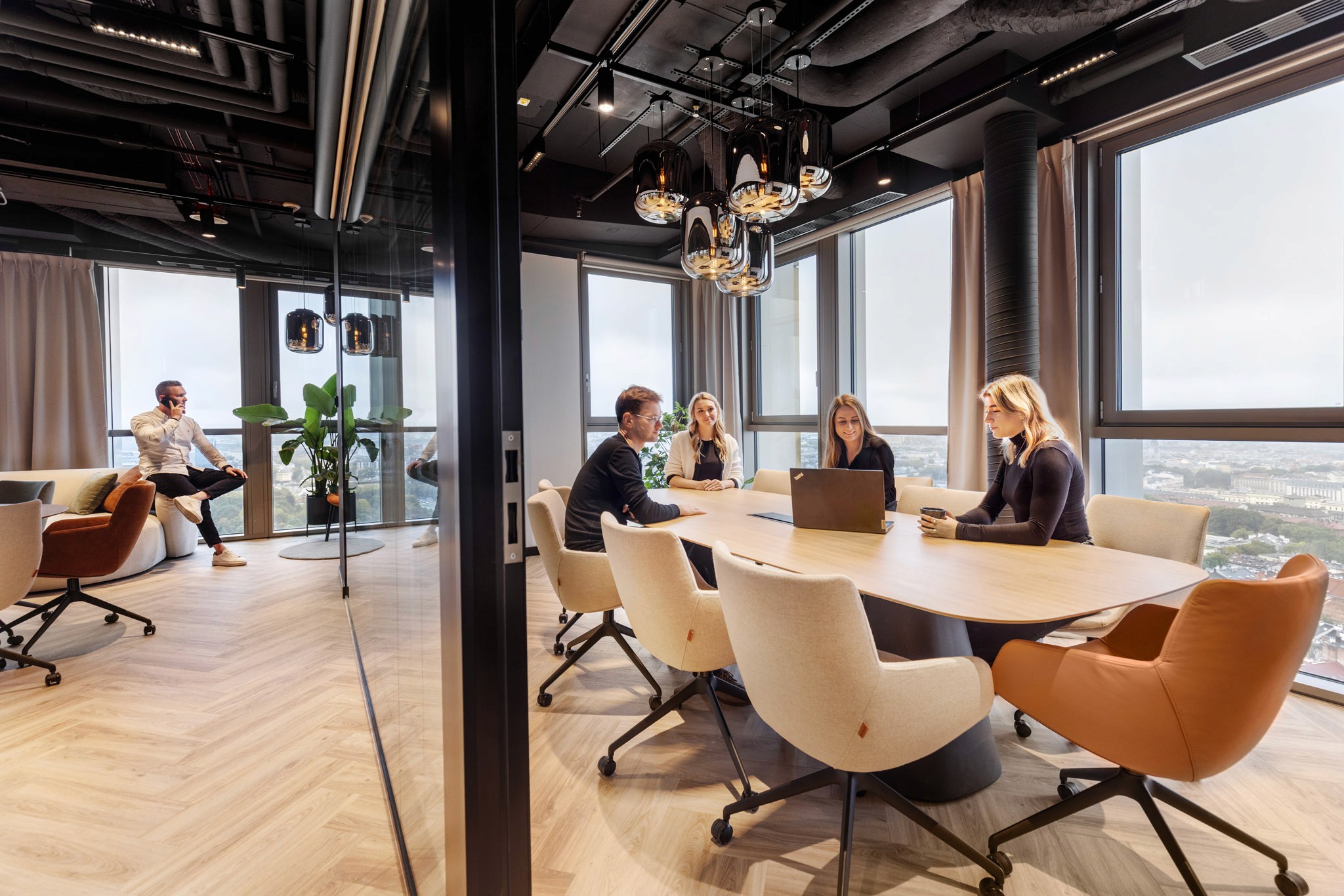
Employee Wellbeing and the Workplace: Why Companies Are Choosing Coworking
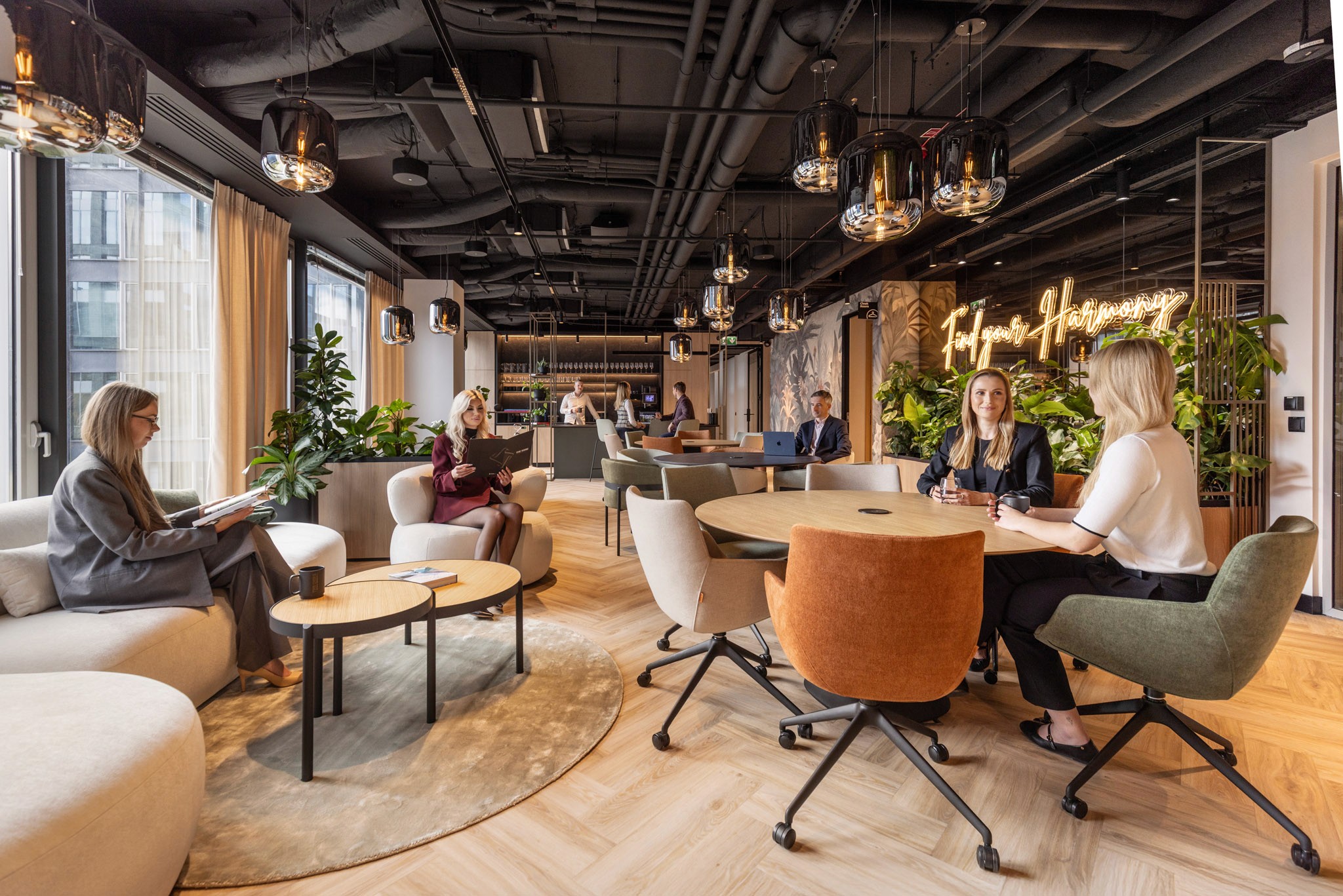
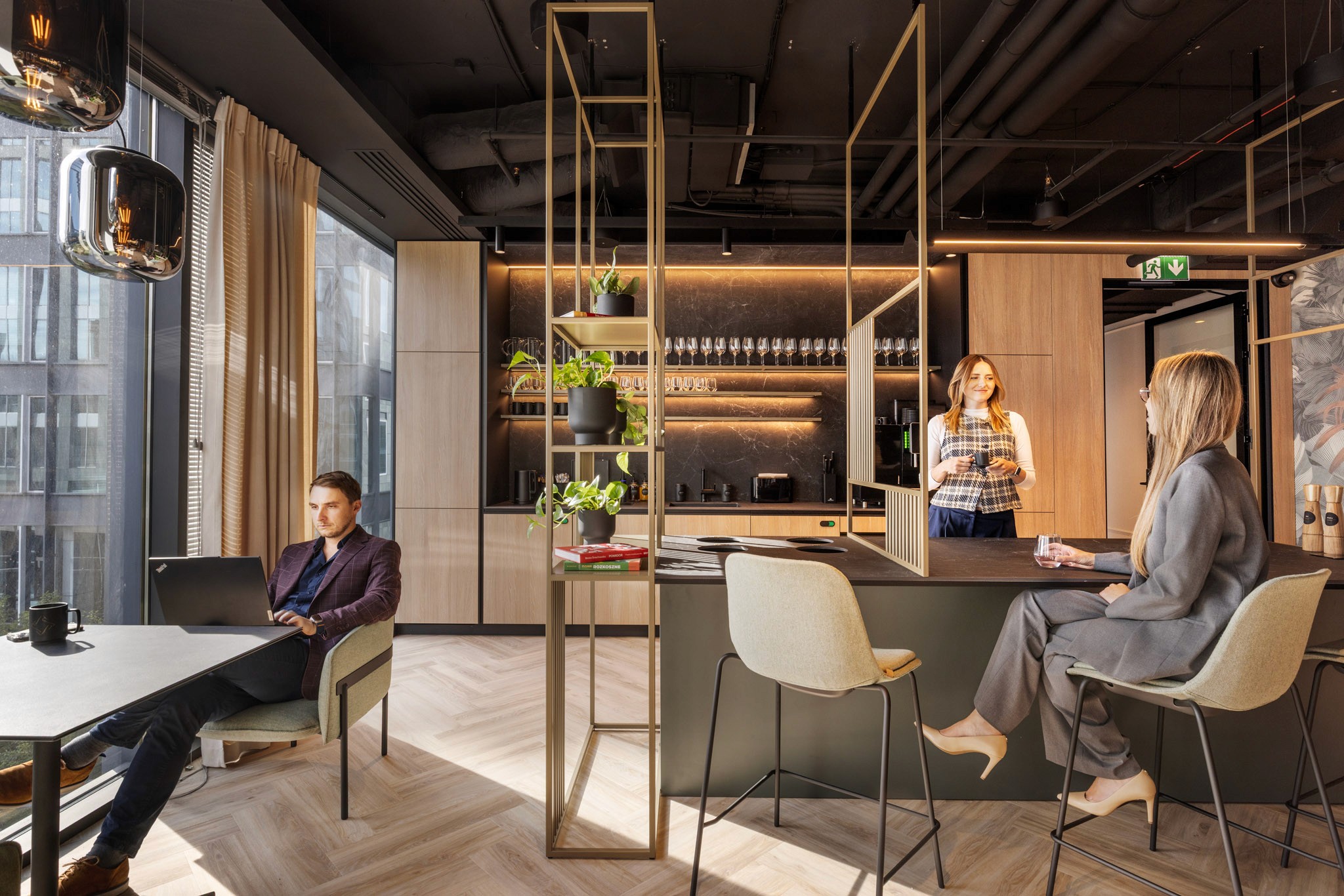

In discussions about returning to the office, many organizations still focus on one question: how do we increase attendance?
From an HR perspective, that is too narrow.
The real question is:
Do employees have a meaningful reason to come in — and does the workspace genuinely support how they work?
This is where three critical areas intersect:
employee wellbeing
employee experience
engagement
And this is not a “soft” topic. Global engagement levels have dropped significantly in recent years, costing organizations hundreds of billions in lost productivity. At the same time, only a minority of employees report truly thriving in their overall lives.
Wellbeing is no longer a perk.
It is a business variable.
Wellbeing as a Strategic KPI — Not a Benefit Add-On
Employee wellbeing has become one of the most important global management trends. Increasingly, it is discussed not as an isolated initiative, but as a driver of:
productivity
retention
organizational resilience
financial performance
Leading global institutions highlight that investing in workplace wellbeing can generate enormous economic value. This represents a major shift for HR: wellbeing is no longer solely a culture or communication topic. It must be designed systemically — including through the physical work environment.
Why Employees Don’t Want to Return to the Office
In most cases, the issue is not resistance to office work itself. It is the absence of a compelling “why.”
If the office does not offer better conditions than working from home, employees mainly see the cost:
commute time
logistical effort
disruption of daily rhythm
Research consistently shows that the biggest hybrid challenges are:
relationship building
cross-team collaboration
cultural cohesion
These are precisely the areas owned jointly by HR and leadership. If the workspace does not actively support collaboration and connection, attendance policies alone will not solve the problem.
Enforcement Doesn’t Replace Experience
Many companies attempt to increase attendance through stricter policies. Meanwhile, employees point to practical barriers — especially commuting time and daily convenience.
For HR leaders, the critical questions are:
Does coming to the office make work easier?
Does the environment improve collaboration?
Are employees offered better conditions than at home?
Does the commute feel worth it?
Without clear answers, office return strategies risk being perceived as pressure rather than support.
HR’s New Role: Designing the Work Experience
Today, HR’s strategic role is shifting from managing attendance to designing the work experience.
Engagement rises when employees:
have space for deep focus
collaborate efficiently
avoid organizational chaos
feel purpose in their presence
Research also shows that team engagement is strongly influenced by managers. And managers need environments that enable them to:
lead effective meetings
onboard new team members
build trust and relationships
establish a productive team rhythm
The workspace becomes a leadership tool.
Why Coworking Is Becoming a Strategic Solution
More companies now see coworking not as a substitute office, but as a deliberate HR and business tool.
Well-designed coworking environments:
provide conditions for focused work
offer comfortable collaboration areas
support natural human interaction
allow flexibility based on tasks and team rhythm
Location also plays a critical role. Reduced commute times and accessible transport options significantly influence whether employees consider office attendance worthwhile.
This shifts the logic entirely.
Employees come not because they must — but because they see value.
What This Means for Organizations
The key question is no longer: “How many days in the office?”
It is:
Does our work environment provide a meaningful reason to be here?
Organizations seeking to improve:
engagement
retention
collaboration quality
overall performance
must treat workspace as part of HR strategy.
In this context, high-quality coworking — such as The Shire Beyond Coworking — is not a fallback option. It is a conscious choice by companies building modern work environments that support wellbeing, strengthen engagement, and align with how teams truly operate today.