Why Are Large Corporations Choosing Coworking Spaces?
Published: Jun 12, 2025


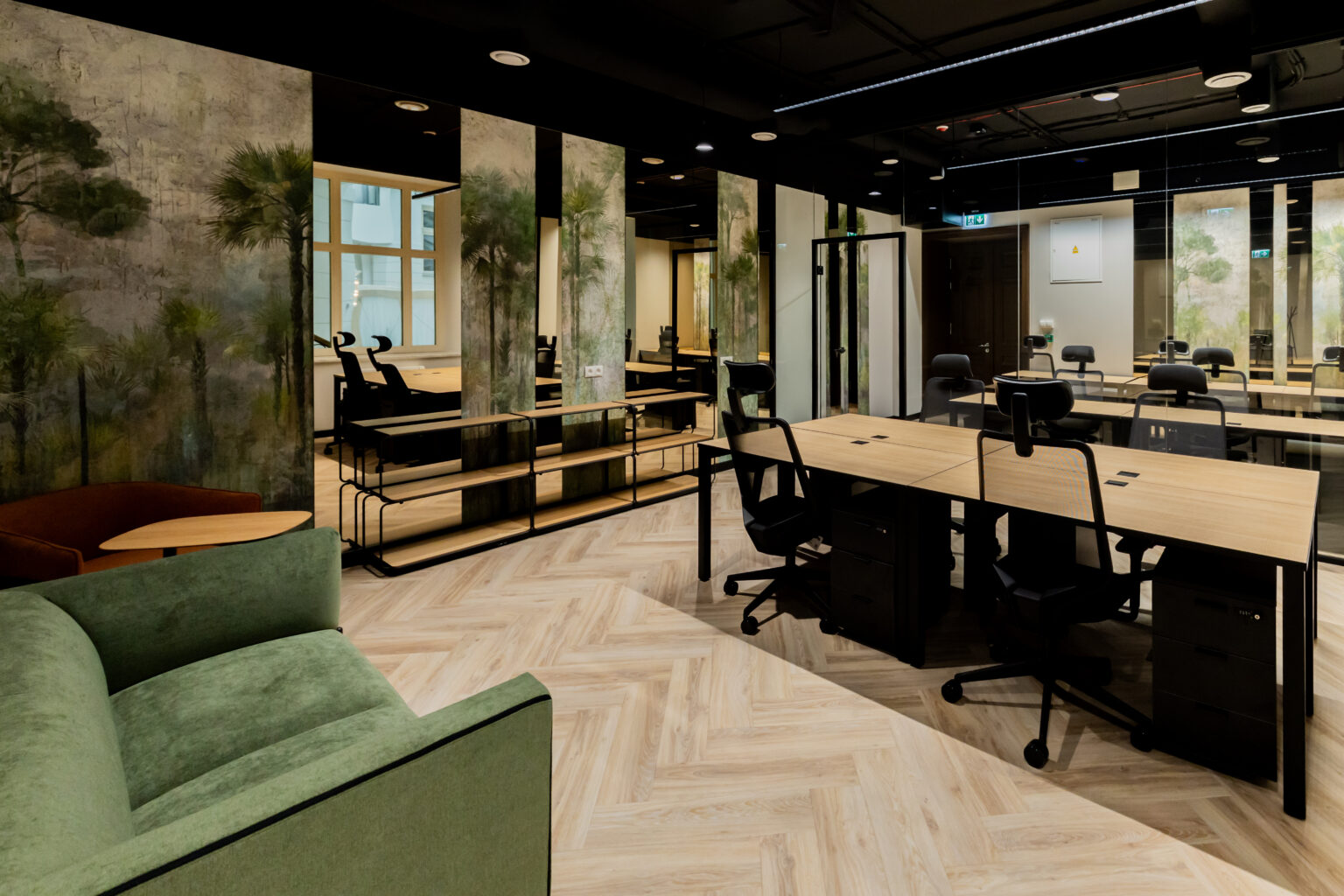
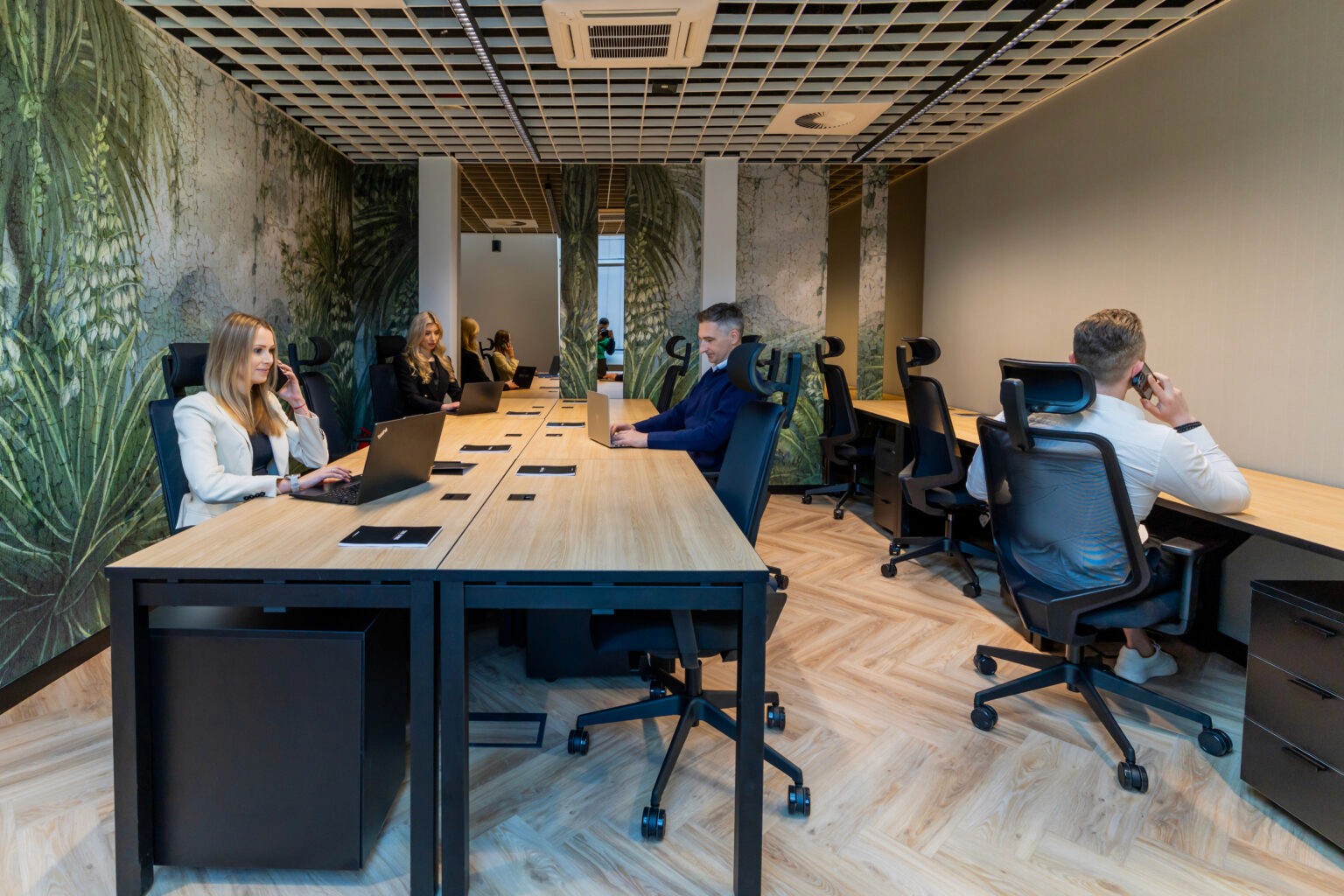
Just a few years ago, coworking was mainly associated with startups, freelancers, and digital nomads. Today, that image is changing rapidly. More and more large, global companies are reserving desks and offices in coworking spaces like The Shire – Beyond Coworking.
Why Do Corporations Choose Coworking | Serviced Offices?
1. Flexibility Without Long-Term Commitments
Instead of locking into a long-term lease, you can choose a model that truly fits your needs. Flexible rental terms allow you to adapt your office space to your company’s evolving situation — without the risk or multi-year obligations.
What’s more, if you’re just starting to build your team or aren’t yet sure how many employees you’ll need at the beginning, a serviced office is the perfect solution. You can start with just a few workstations and add more as you grow — no stress, no relocations, no complications.
2. Proximity to Employees – Distributed Offices Across Cities
You don’t need to have a branch in every city to stay close to your team. Coworking allows employees to work locally — no need for relocation or losing hours in daily commutes.
3. Fully Equipped Infrastructure
High-speed internet, reception, mail handling, cleaning service, technical support, printers, meeting rooms, coffee/tea/water — it’s all ready to go. Companies don’t have to organize it themselves or manage the office.
4. Employee Satisfaction and Loyalty
The ability to work from an inspiring space close to home is a true benefit — it genuinely improves work-life balance, boosts satisfaction, and reduces turnover.
5. A Greener Choice – Fewer Commutes, Smaller Offices
Smaller central offices combined with local coworking spaces mean lower energy consumption and reduced CO₂ emissions — a growing priority for corporations aligning with ESG strategies.
Coworking as Part of a Modern Work Strategy
A modern work strategy is not just about home or office — it’s about the entire ecosystem. Coworking perfectly fills the gap between the two, supporting mobility, cost-efficiency, and organizational culture all at once.
Corporations are turning to coworking because they understand that flexibility is no longer a privilege — it’s the new standard. And The Shire – Beyond Coworking offers more than desks — it delivers a whole community, a way of working, and an atmosphere you won’t find in a traditional office building.
Want to learn how your company can operate with The Shire?
Get in touch — we’ll create a custom plan tailored to your team and your city.
Published: Dec 22, 2025
Serviced Office vs Traditional Lease - Key Differences - The Shire
Serviced Office vs Traditional Lease – Key Differences and Costs
Choosing the right office space is a crucial decision for any company – from startups to large corporations. Today, there are different ways to rent office space, with two of the most popular options being serviced offices and traditional leases. In this article, we’ll explore the main differences between them and examine the costs associated with each option.
Serviced Office vs Traditional Lease – What You Should Know
A serviced office is a fully equipped workspace ready for immediate use. This means tenants don’t need to invest in furniture or interior design. The rental price often includes administrative services, reception, cleaning, utilities, access to meeting rooms, and IT/technical support.
In contrast, a traditional lease requires tenants to furnish the office themselves and manage additional services. Leases are usually long-term, limiting the flexibility to adjust office space during the rental period.
Main Differences Between Serviced Offices and Traditional Leases
Lease Flexibility: Serviced offices allow short-term rentals and easy adjustments of space, while traditional leases are rigid and long-term.
Furniture and Infrastructure: Serviced offices come fully furnished with IT infrastructure, whereas traditional lease tenants cover these costs themselves.
Additional Services: Serviced offices include reception, administrative support, and cleaning. Traditional leases require separate arrangements.
Initial Costs: Serviced offices reduce upfront costs, while traditional leases often involve significant initial investments.
Scalability and Accessibility: Serviced offices allow rapid scaling of space and business address usage without physical presence. Traditional leases offer exclusive use of space but less flexibility.
Networking and Collaboration: Serviced offices facilitate business networking and cooperation with other tenants, which is less common in traditional offices.
Serviced Offices vs Traditional Lease – Are They Really More Expensive?
There are many myths about serviced offices, one of the most common being that they are more expensive than traditional leases. However, more and more companies, regardless of size, are recognizing the real benefits of the flexible model – not only in terms of flexibility but also cost. Let’s take a closer look at how these two options compare, including examples from The Shire – Beyond Coworking.
Price Is More Than Just Rent
In a traditional lease, the cost per square meter is just the beginning. Tenants also need to cover:
Operating expenses – building services, security, cleaning of common areas
Utilities – electricity, heating, air conditioning, water
Furniture and equipment – desks, chairs, cabinets, kitchen and meeting room equipment
Supplies – coffee, tea, cleaning products, office materials
Administrative support – reception, technical support, space management
Additionally, companies must invest time and resources in setting up the office – from vendor negotiations to ongoing maintenance.
Serviced Offices – One All-Inclusive Payment
In serviced offices, such as those offered by The Shire:
tenants pay a single monthly invoice covering almost all of the above. The space is:
Fully furnished and ready to work
Equipped with high-speed internet, printers, meeting rooms, and kitchens stocked with coffee and tea
Covered by daily cleaning services and front desk support
Importantly, companies don’t need to invest in fit-outs or bear the risk of purchasing equipment. If needed, they can quickly scale the space up or down without long-term commitments.
Flexibility That Pays Off
For many companies, the greatest value of serviced offices lies in their flexibility. Agreements are shorter, and the space can be adjusted to current team needs. In practice, this means:
No CAPEX – no upfront investment
Predictable budgets – no surprises on invoices
Time savings – no supplier management, equipment handling, or office maintenance
As a flexible space operator, The Shire understands these needs well – offering private offices and shared spaces in multiple cities, with terms tailored to a tenant’s current business situation.
When Does Traditional Leasing Make Sense?
A traditional lease may be better suited for large, stable organizations with long-term strategies and in-house administrative teams capable of managing the space independently. In such cases, with sufficient area and a long lease term, it may be possible to achieve a lower cost per square meter – but only if all additional aspects are managed efficiently.
Focus on TCO, Not Just the Rent
When comparing office options, it’s important to consider TCO – Total Cost of Occupancy. TCO reveals the real cost of using the space, not just base rent. Often, a serviced office – despite seeming more expensive at first glance – turns out to be more cost-effective once all expenses are considered.
Check out our blog article comparing serviced offices vs coworking and discover which option suits your business best!
Choosing Between Serviced Office and Traditional Lease
The decision depends on factors such as lease duration, team size and stability, and needs for furniture and services. Serviced offices provide flexible, ready-to-use spaces ideal for dynamic companies and startups, while traditional leases suit companies planning a fixed location and long-term office investments.
Serviced offices offer not only convenience and flexibility but increasingly – a cost-effective choice. Especially for companies that want to operate quickly, efficiently, and without unnecessary commitments. The Shire – Beyond Coworking meets these needs by providing premium flexible offices with full service and a clear cost structure, allowing companies to focus on what truly matters – growth.
READ MORE

Published: Dec 22, 2025
Serviced Office vs Traditional Lease - Key Differences - The Shire
Serviced Office vs Traditional Lease – Key Differences and Costs
Choosing the right office space is a crucial decision for any company – from startups to large corporations. Today, there are different ways to rent office space, with two of the most popular options being serviced offices and traditional leases. In this article, we’ll explore the main differences between them and examine the costs associated with each option.
Serviced Office vs Traditional Lease – What You Should Know
A serviced office is a fully equipped workspace ready for immediate use. This means tenants don’t need to invest in furniture or interior design. The rental price often includes administrative services, reception, cleaning, utilities, access to meeting rooms, and IT/technical support.
In contrast, a traditional lease requires tenants to furnish the office themselves and manage additional services. Leases are usually long-term, limiting the flexibility to adjust office space during the rental period.
Main Differences Between Serviced Offices and Traditional Leases
Lease Flexibility: Serviced offices allow short-term rentals and easy adjustments of space, while traditional leases are rigid and long-term.
Furniture and Infrastructure: Serviced offices come fully furnished with IT infrastructure, whereas traditional lease tenants cover these costs themselves.
Additional Services: Serviced offices include reception, administrative support, and cleaning. Traditional leases require separate arrangements.
Initial Costs: Serviced offices reduce upfront costs, while traditional leases often involve significant initial investments.
Scalability and Accessibility: Serviced offices allow rapid scaling of space and business address usage without physical presence. Traditional leases offer exclusive use of space but less flexibility.
Networking and Collaboration: Serviced offices facilitate business networking and cooperation with other tenants, which is less common in traditional offices.
Serviced Offices vs Traditional Lease – Are They Really More Expensive?
There are many myths about serviced offices, one of the most common being that they are more expensive than traditional leases. However, more and more companies, regardless of size, are recognizing the real benefits of the flexible model – not only in terms of flexibility but also cost. Let’s take a closer look at how these two options compare, including examples from The Shire – Beyond Coworking.
Price Is More Than Just Rent
In a traditional lease, the cost per square meter is just the beginning. Tenants also need to cover:
Operating expenses – building services, security, cleaning of common areas
Utilities – electricity, heating, air conditioning, water
Furniture and equipment – desks, chairs, cabinets, kitchen and meeting room equipment
Supplies – coffee, tea, cleaning products, office materials
Administrative support – reception, technical support, space management
Additionally, companies must invest time and resources in setting up the office – from vendor negotiations to ongoing maintenance.
Serviced Offices – One All-Inclusive Payment
In serviced offices, such as those offered by The Shire:
tenants pay a single monthly invoice covering almost all of the above. The space is:
Fully furnished and ready to work
Equipped with high-speed internet, printers, meeting rooms, and kitchens stocked with coffee and tea
Covered by daily cleaning services and front desk support
Importantly, companies don’t need to invest in fit-outs or bear the risk of purchasing equipment. If needed, they can quickly scale the space up or down without long-term commitments.
Flexibility That Pays Off
For many companies, the greatest value of serviced offices lies in their flexibility. Agreements are shorter, and the space can be adjusted to current team needs. In practice, this means:
No CAPEX – no upfront investment
Predictable budgets – no surprises on invoices
Time savings – no supplier management, equipment handling, or office maintenance
As a flexible space operator, The Shire understands these needs well – offering private offices and shared spaces in multiple cities, with terms tailored to a tenant’s current business situation.
When Does Traditional Leasing Make Sense?
A traditional lease may be better suited for large, stable organizations with long-term strategies and in-house administrative teams capable of managing the space independently. In such cases, with sufficient area and a long lease term, it may be possible to achieve a lower cost per square meter – but only if all additional aspects are managed efficiently.
Focus on TCO, Not Just the Rent
When comparing office options, it’s important to consider TCO – Total Cost of Occupancy. TCO reveals the real cost of using the space, not just base rent. Often, a serviced office – despite seeming more expensive at first glance – turns out to be more cost-effective once all expenses are considered.
Check out our blog article comparing serviced offices vs coworking and discover which option suits your business best!
Choosing Between Serviced Office and Traditional Lease
The decision depends on factors such as lease duration, team size and stability, and needs for furniture and services. Serviced offices provide flexible, ready-to-use spaces ideal for dynamic companies and startups, while traditional leases suit companies planning a fixed location and long-term office investments.
Serviced offices offer not only convenience and flexibility but increasingly – a cost-effective choice. Especially for companies that want to operate quickly, efficiently, and without unnecessary commitments. The Shire – Beyond Coworking meets these needs by providing premium flexible offices with full service and a clear cost structure, allowing companies to focus on what truly matters – growth.
READ MORE

Published: Dec 22, 2025
Serviced Office vs Traditional Lease - Key Differences - The Shire
Serviced Office vs Traditional Lease – Key Differences and Costs
Choosing the right office space is a crucial decision for any company – from startups to large corporations. Today, there are different ways to rent office space, with two of the most popular options being serviced offices and traditional leases. In this article, we’ll explore the main differences between them and examine the costs associated with each option.
Serviced Office vs Traditional Lease – What You Should Know
A serviced office is a fully equipped workspace ready for immediate use. This means tenants don’t need to invest in furniture or interior design. The rental price often includes administrative services, reception, cleaning, utilities, access to meeting rooms, and IT/technical support.
In contrast, a traditional lease requires tenants to furnish the office themselves and manage additional services. Leases are usually long-term, limiting the flexibility to adjust office space during the rental period.
Main Differences Between Serviced Offices and Traditional Leases
Lease Flexibility: Serviced offices allow short-term rentals and easy adjustments of space, while traditional leases are rigid and long-term.
Furniture and Infrastructure: Serviced offices come fully furnished with IT infrastructure, whereas traditional lease tenants cover these costs themselves.
Additional Services: Serviced offices include reception, administrative support, and cleaning. Traditional leases require separate arrangements.
Initial Costs: Serviced offices reduce upfront costs, while traditional leases often involve significant initial investments.
Scalability and Accessibility: Serviced offices allow rapid scaling of space and business address usage without physical presence. Traditional leases offer exclusive use of space but less flexibility.
Networking and Collaboration: Serviced offices facilitate business networking and cooperation with other tenants, which is less common in traditional offices.
Serviced Offices vs Traditional Lease – Are They Really More Expensive?
There are many myths about serviced offices, one of the most common being that they are more expensive than traditional leases. However, more and more companies, regardless of size, are recognizing the real benefits of the flexible model – not only in terms of flexibility but also cost. Let’s take a closer look at how these two options compare, including examples from The Shire – Beyond Coworking.
Price Is More Than Just Rent
In a traditional lease, the cost per square meter is just the beginning. Tenants also need to cover:
Operating expenses – building services, security, cleaning of common areas
Utilities – electricity, heating, air conditioning, water
Furniture and equipment – desks, chairs, cabinets, kitchen and meeting room equipment
Supplies – coffee, tea, cleaning products, office materials
Administrative support – reception, technical support, space management
Additionally, companies must invest time and resources in setting up the office – from vendor negotiations to ongoing maintenance.
Serviced Offices – One All-Inclusive Payment
In serviced offices, such as those offered by The Shire:
tenants pay a single monthly invoice covering almost all of the above. The space is:
Fully furnished and ready to work
Equipped with high-speed internet, printers, meeting rooms, and kitchens stocked with coffee and tea
Covered by daily cleaning services and front desk support
Importantly, companies don’t need to invest in fit-outs or bear the risk of purchasing equipment. If needed, they can quickly scale the space up or down without long-term commitments.
Flexibility That Pays Off
For many companies, the greatest value of serviced offices lies in their flexibility. Agreements are shorter, and the space can be adjusted to current team needs. In practice, this means:
No CAPEX – no upfront investment
Predictable budgets – no surprises on invoices
Time savings – no supplier management, equipment handling, or office maintenance
As a flexible space operator, The Shire understands these needs well – offering private offices and shared spaces in multiple cities, with terms tailored to a tenant’s current business situation.
When Does Traditional Leasing Make Sense?
A traditional lease may be better suited for large, stable organizations with long-term strategies and in-house administrative teams capable of managing the space independently. In such cases, with sufficient area and a long lease term, it may be possible to achieve a lower cost per square meter – but only if all additional aspects are managed efficiently.
Focus on TCO, Not Just the Rent
When comparing office options, it’s important to consider TCO – Total Cost of Occupancy. TCO reveals the real cost of using the space, not just base rent. Often, a serviced office – despite seeming more expensive at first glance – turns out to be more cost-effective once all expenses are considered.
Check out our blog article comparing serviced offices vs coworking and discover which option suits your business best!
Choosing Between Serviced Office and Traditional Lease
The decision depends on factors such as lease duration, team size and stability, and needs for furniture and services. Serviced offices provide flexible, ready-to-use spaces ideal for dynamic companies and startups, while traditional leases suit companies planning a fixed location and long-term office investments.
Serviced offices offer not only convenience and flexibility but increasingly – a cost-effective choice. Especially for companies that want to operate quickly, efficiently, and without unnecessary commitments. The Shire – Beyond Coworking meets these needs by providing premium flexible offices with full service and a clear cost structure, allowing companies to focus on what truly matters – growth.
READ MORE

Published: Dec 18, 2025
Serviced Office vs Coworking Space - What to Choose? - The Shire
Serviced Office vs Coworking Space – Which Solution Should You Choose?
Choosing the right workspace is a key decision that impacts not only costs but also comfort, productivity, and work culture. Among modern solutions, serviced offices and coworking spaces are increasingly popular, each offering unique benefits. Let’s take a closer look at how these options differ and how to match them to the needs of your team.
What is a Serviced Office?
A serviced office is a fully equipped, ready-to-use workspace available under flexible terms. It includes private offices with a full range of services such as reception support, cleaning, high-speed internet, and access to meeting rooms. Serviced offices are ideal for companies that need a stable, professional workspace while avoiding the long process of setting up and furnishing an office.
Advantages of a Serviced Office:
Privacy and comfort – space exclusively for your company.
Complete infrastructure – furniture, office equipment, fast internet, and administrative support included.
Flexible rental terms – short-term contracts without long-term commitments.
Predictable costs – one monthly fee covering all services.
For those looking for locations in major cities, check out:
These spaces allow you to start operating quickly, with minimal effort spent on organizing your workspace.
Who is a Serviced Office Best For?
Serviced offices are an excellent choice for small and medium-sized businesses seeking a professional work environment. With comprehensive services included, tenants can focus on growing their business in a fully equipped and ready-to-use workspace.
What is Coworking?
Coworking is a dynamic workspace where various professionals – freelancers, startups, and remote employees – can rent desks or meeting rooms by the hour, day, or month. It’s a great solution for those who value flexibility and an inspiring atmosphere.
Advantages of Coworking:
Lower costs – pay only for the time and space you actually use.
Networking opportunities – meet new people and collaborate with other professionals.
Flexibility – work in different locations and at any time.
Creative environment – inspiring space full of ambitious individuals.
Who is Coworking Best For?
Coworking is ideal for freelancers, startups, and professionals who thrive in a dynamic work environment. These spaces provide opportunities to build new business contacts, expand professional networks, and exchange experiences with experts from different industries.
For vibrant coworking spaces, explore:
The Shire offers coworking spaces designed to promote networking, collaboration, and professional community growth.
Curious about serviced office vs traditional lease? Read our blog to explore the key differences and benefits!
Serviced Office vs Coworking Space – Which Should You Choose?
The choice between a serviced office vs coworking space depends on your work style and priorities:
Choose a serviced office if you value privacy, stability, and a professional environment.
Choose coworking if you need flexibility, lower costs, and a dynamic atmosphere.
Regardless of the choice, modern workspaces at The Shire combine comfort, flexibility, and professionalism, allowing you to focus on what matters most – growing your business.
READ MORE

Published: Dec 18, 2025
Serviced Office vs Coworking Space - What to Choose? - The Shire
Serviced Office vs Coworking Space – Which Solution Should You Choose?
Choosing the right workspace is a key decision that impacts not only costs but also comfort, productivity, and work culture. Among modern solutions, serviced offices and coworking spaces are increasingly popular, each offering unique benefits. Let’s take a closer look at how these options differ and how to match them to the needs of your team.
What is a Serviced Office?
A serviced office is a fully equipped, ready-to-use workspace available under flexible terms. It includes private offices with a full range of services such as reception support, cleaning, high-speed internet, and access to meeting rooms. Serviced offices are ideal for companies that need a stable, professional workspace while avoiding the long process of setting up and furnishing an office.
Advantages of a Serviced Office:
Privacy and comfort – space exclusively for your company.
Complete infrastructure – furniture, office equipment, fast internet, and administrative support included.
Flexible rental terms – short-term contracts without long-term commitments.
Predictable costs – one monthly fee covering all services.
For those looking for locations in major cities, check out:
These spaces allow you to start operating quickly, with minimal effort spent on organizing your workspace.
Who is a Serviced Office Best For?
Serviced offices are an excellent choice for small and medium-sized businesses seeking a professional work environment. With comprehensive services included, tenants can focus on growing their business in a fully equipped and ready-to-use workspace.
What is Coworking?
Coworking is a dynamic workspace where various professionals – freelancers, startups, and remote employees – can rent desks or meeting rooms by the hour, day, or month. It’s a great solution for those who value flexibility and an inspiring atmosphere.
Advantages of Coworking:
Lower costs – pay only for the time and space you actually use.
Networking opportunities – meet new people and collaborate with other professionals.
Flexibility – work in different locations and at any time.
Creative environment – inspiring space full of ambitious individuals.
Who is Coworking Best For?
Coworking is ideal for freelancers, startups, and professionals who thrive in a dynamic work environment. These spaces provide opportunities to build new business contacts, expand professional networks, and exchange experiences with experts from different industries.
For vibrant coworking spaces, explore:
The Shire offers coworking spaces designed to promote networking, collaboration, and professional community growth.
Curious about serviced office vs traditional lease? Read our blog to explore the key differences and benefits!
Serviced Office vs Coworking Space – Which Should You Choose?
The choice between a serviced office vs coworking space depends on your work style and priorities:
Choose a serviced office if you value privacy, stability, and a professional environment.
Choose coworking if you need flexibility, lower costs, and a dynamic atmosphere.
Regardless of the choice, modern workspaces at The Shire combine comfort, flexibility, and professionalism, allowing you to focus on what matters most – growing your business.
READ MORE

Published: Dec 18, 2025
Serviced Office vs Coworking Space - What to Choose? - The Shire
Serviced Office vs Coworking Space – Which Solution Should You Choose?
Choosing the right workspace is a key decision that impacts not only costs but also comfort, productivity, and work culture. Among modern solutions, serviced offices and coworking spaces are increasingly popular, each offering unique benefits. Let’s take a closer look at how these options differ and how to match them to the needs of your team.
What is a Serviced Office?
A serviced office is a fully equipped, ready-to-use workspace available under flexible terms. It includes private offices with a full range of services such as reception support, cleaning, high-speed internet, and access to meeting rooms. Serviced offices are ideal for companies that need a stable, professional workspace while avoiding the long process of setting up and furnishing an office.
Advantages of a Serviced Office:
Privacy and comfort – space exclusively for your company.
Complete infrastructure – furniture, office equipment, fast internet, and administrative support included.
Flexible rental terms – short-term contracts without long-term commitments.
Predictable costs – one monthly fee covering all services.
For those looking for locations in major cities, check out:
These spaces allow you to start operating quickly, with minimal effort spent on organizing your workspace.
Who is a Serviced Office Best For?
Serviced offices are an excellent choice for small and medium-sized businesses seeking a professional work environment. With comprehensive services included, tenants can focus on growing their business in a fully equipped and ready-to-use workspace.
What is Coworking?
Coworking is a dynamic workspace where various professionals – freelancers, startups, and remote employees – can rent desks or meeting rooms by the hour, day, or month. It’s a great solution for those who value flexibility and an inspiring atmosphere.
Advantages of Coworking:
Lower costs – pay only for the time and space you actually use.
Networking opportunities – meet new people and collaborate with other professionals.
Flexibility – work in different locations and at any time.
Creative environment – inspiring space full of ambitious individuals.
Who is Coworking Best For?
Coworking is ideal for freelancers, startups, and professionals who thrive in a dynamic work environment. These spaces provide opportunities to build new business contacts, expand professional networks, and exchange experiences with experts from different industries.
For vibrant coworking spaces, explore:
The Shire offers coworking spaces designed to promote networking, collaboration, and professional community growth.
Curious about serviced office vs traditional lease? Read our blog to explore the key differences and benefits!
Serviced Office vs Coworking Space – Which Should You Choose?
The choice between a serviced office vs coworking space depends on your work style and priorities:
Choose a serviced office if you value privacy, stability, and a professional environment.
Choose coworking if you need flexibility, lower costs, and a dynamic atmosphere.
Regardless of the choice, modern workspaces at The Shire combine comfort, flexibility, and professionalism, allowing you to focus on what matters most – growing your business.
READ MORE

Published: Dec 18, 2025
Coworking vs Traditional Office – Which One to Choose?
Choosing a workspace is a decision that impacts not only costs but also comfort, productivity, and work culture. More and more companies and freelancers face the question: what best suits their needs – a coworking space or a traditional office? Both solutions have unique advantages, so it’s worth examining them closely, considering financial, organizational, and environmental aspects.
What’s the Difference Between Coworking and a Traditional Office?
Coworking is a flexible office space where you can rent a desk or office for a short period without signing a long-term lease. Users have access to shared resources such as printers, conference rooms, and fast internet. These spaces encourage interaction, creativity, and idea exchange.
At The Shire, membership offers entrepreneurs access to a wide range of amenities that support comfort and professional growth, whether they are using Coworking in Warsaw, Coworking in Kraków, or Coworking in Wrocław. The offerings include:
Personal desk or workstation ready for daily work
Spaces for team collaboration and networking with other professionals
Quiet, fully equipped rooms for focused work
Fast and stable internet access
Printing and scanning services
Mail and package handling
Coffee, tea, and light snacks throughout the day
Workshops, training sessions, and networking events
Convenient parking for employees and guests
Beyond Access – additional perks and opportunities within the coworking community
Additionally, a dedicated cleaning team ensures all areas are spotless and safe, allowing members to focus fully on work and networking.
A traditional office, on the other hand, is typically used by a single company or organization. It usually consists of private offices and designated workstations, offering stability, privacy, and full control over the office layout. This model is especially common in large corporations and institutions.
Coworking Space vs Traditional Office – Key Differences
Costs and Expenses
Coworking stands out for its cost-effectiveness. A single fee usually covers utilities, fast internet access, office equipment, and conference room usage. This solution eliminates the need for long-term leases, significantly reducing financial risk.
In contrast, a traditional office involves additional costs such as energy bills, cleaning services, and potential renovations, which can substantially increase overall expenses.
Work Flexibility
Coworking spaces are synonymous with flexibility. Available 24/7, they allow work at convenient hours, which is especially appreciated by freelancers and companies operating across different time zones.
A traditional office, with fixed working hours and a set location, is more rigid in its operational model.
Networking and Work Environment
One of the biggest advantages of coworking is the opportunity to meet diverse professionals. These spaces are designed to build new relationships, exchange ideas, and collaborate across industries. Regular events, workshops, and networking sessions help establish valuable professional contacts.
In contrast, a traditional office fosters long-term collaboration within a single team, which can strengthen cohesion but limits the diversity of business relationships.
Equipment and Amenities
Modern coworking spaces provide everything needed to work efficiently: fully equipped offices, fast internet, conference rooms, reception services, and unlimited coffee.
For a traditional office, the landlord is responsible for organizing the space, giving the company more control over the layout but often requiring additional costs and organizational effort.
Work Culture and Atmosphere
Coworking spaces feature a dynamic atmosphere where creativity and collaboration are part of daily operations. Being in such an environment fosters innovation and inspiration.
On the other hand, a traditional office provides a calmer, more private atmosphere that supports focus and long-term team stability.
Who Should Choose Coworking and Who Should Opt for a Traditional Office?
Coworking is particularly popular among freelancers, startups, and small businesses looking for flexible solutions and opportunities to connect with other professionals. It is also ideal for companies expanding internationally, allowing them to start quickly in a new country while minimizing initial costs and benefiting from ready infrastructure and business networks.
Traditional offices are best suited for large organizations requiring stable structures, privacy, and long-term leasing of space.
Explore the differences between serviced office vs coworking on our blog and find the right office for your needs!
Traditional Office vs Coworking – Making the Right Choice
The decision between a coworking space vs traditional office depends on priorities and business nature.
Coworking is perfect for those who value flexibility, a dynamic work environment, lower operational costs, and short-term lease options.
A traditional office works well for companies needing privacy, stability, full control over their workspace, and long-term organizational structures.
Regardless of the choice, it is essential to adapt the workspace to the team’s needs and business specifics to ensure comfort, efficiency, and professional growth.
READ MORE

Published: Dec 18, 2025
Coworking vs Traditional Office – Which One to Choose?
Choosing a workspace is a decision that impacts not only costs but also comfort, productivity, and work culture. More and more companies and freelancers face the question: what best suits their needs – a coworking space or a traditional office? Both solutions have unique advantages, so it’s worth examining them closely, considering financial, organizational, and environmental aspects.
What’s the Difference Between Coworking and a Traditional Office?
Coworking is a flexible office space where you can rent a desk or office for a short period without signing a long-term lease. Users have access to shared resources such as printers, conference rooms, and fast internet. These spaces encourage interaction, creativity, and idea exchange.
At The Shire, membership offers entrepreneurs access to a wide range of amenities that support comfort and professional growth, whether they are using Coworking in Warsaw, Coworking in Kraków, or Coworking in Wrocław. The offerings include:
Personal desk or workstation ready for daily work
Spaces for team collaboration and networking with other professionals
Quiet, fully equipped rooms for focused work
Fast and stable internet access
Printing and scanning services
Mail and package handling
Coffee, tea, and light snacks throughout the day
Workshops, training sessions, and networking events
Convenient parking for employees and guests
Beyond Access – additional perks and opportunities within the coworking community
Additionally, a dedicated cleaning team ensures all areas are spotless and safe, allowing members to focus fully on work and networking.
A traditional office, on the other hand, is typically used by a single company or organization. It usually consists of private offices and designated workstations, offering stability, privacy, and full control over the office layout. This model is especially common in large corporations and institutions.
Coworking Space vs Traditional Office – Key Differences
Costs and Expenses
Coworking stands out for its cost-effectiveness. A single fee usually covers utilities, fast internet access, office equipment, and conference room usage. This solution eliminates the need for long-term leases, significantly reducing financial risk.
In contrast, a traditional office involves additional costs such as energy bills, cleaning services, and potential renovations, which can substantially increase overall expenses.
Work Flexibility
Coworking spaces are synonymous with flexibility. Available 24/7, they allow work at convenient hours, which is especially appreciated by freelancers and companies operating across different time zones.
A traditional office, with fixed working hours and a set location, is more rigid in its operational model.
Networking and Work Environment
One of the biggest advantages of coworking is the opportunity to meet diverse professionals. These spaces are designed to build new relationships, exchange ideas, and collaborate across industries. Regular events, workshops, and networking sessions help establish valuable professional contacts.
In contrast, a traditional office fosters long-term collaboration within a single team, which can strengthen cohesion but limits the diversity of business relationships.
Equipment and Amenities
Modern coworking spaces provide everything needed to work efficiently: fully equipped offices, fast internet, conference rooms, reception services, and unlimited coffee.
For a traditional office, the landlord is responsible for organizing the space, giving the company more control over the layout but often requiring additional costs and organizational effort.
Work Culture and Atmosphere
Coworking spaces feature a dynamic atmosphere where creativity and collaboration are part of daily operations. Being in such an environment fosters innovation and inspiration.
On the other hand, a traditional office provides a calmer, more private atmosphere that supports focus and long-term team stability.
Who Should Choose Coworking and Who Should Opt for a Traditional Office?
Coworking is particularly popular among freelancers, startups, and small businesses looking for flexible solutions and opportunities to connect with other professionals. It is also ideal for companies expanding internationally, allowing them to start quickly in a new country while minimizing initial costs and benefiting from ready infrastructure and business networks.
Traditional offices are best suited for large organizations requiring stable structures, privacy, and long-term leasing of space.
Explore the differences between serviced office vs coworking on our blog and find the right office for your needs!
Traditional Office vs Coworking – Making the Right Choice
The decision between a coworking space vs traditional office depends on priorities and business nature.
Coworking is perfect for those who value flexibility, a dynamic work environment, lower operational costs, and short-term lease options.
A traditional office works well for companies needing privacy, stability, full control over their workspace, and long-term organizational structures.
Regardless of the choice, it is essential to adapt the workspace to the team’s needs and business specifics to ensure comfort, efficiency, and professional growth.
READ MORE

Published: Dec 18, 2025
Coworking vs Traditional Office – Which One to Choose?
Choosing a workspace is a decision that impacts not only costs but also comfort, productivity, and work culture. More and more companies and freelancers face the question: what best suits their needs – a coworking space or a traditional office? Both solutions have unique advantages, so it’s worth examining them closely, considering financial, organizational, and environmental aspects.
What’s the Difference Between Coworking and a Traditional Office?
Coworking is a flexible office space where you can rent a desk or office for a short period without signing a long-term lease. Users have access to shared resources such as printers, conference rooms, and fast internet. These spaces encourage interaction, creativity, and idea exchange.
At The Shire, membership offers entrepreneurs access to a wide range of amenities that support comfort and professional growth, whether they are using Coworking in Warsaw, Coworking in Kraków, or Coworking in Wrocław. The offerings include:
Personal desk or workstation ready for daily work
Spaces for team collaboration and networking with other professionals
Quiet, fully equipped rooms for focused work
Fast and stable internet access
Printing and scanning services
Mail and package handling
Coffee, tea, and light snacks throughout the day
Workshops, training sessions, and networking events
Convenient parking for employees and guests
Beyond Access – additional perks and opportunities within the coworking community
Additionally, a dedicated cleaning team ensures all areas are spotless and safe, allowing members to focus fully on work and networking.
A traditional office, on the other hand, is typically used by a single company or organization. It usually consists of private offices and designated workstations, offering stability, privacy, and full control over the office layout. This model is especially common in large corporations and institutions.
Coworking Space vs Traditional Office – Key Differences
Costs and Expenses
Coworking stands out for its cost-effectiveness. A single fee usually covers utilities, fast internet access, office equipment, and conference room usage. This solution eliminates the need for long-term leases, significantly reducing financial risk.
In contrast, a traditional office involves additional costs such as energy bills, cleaning services, and potential renovations, which can substantially increase overall expenses.
Work Flexibility
Coworking spaces are synonymous with flexibility. Available 24/7, they allow work at convenient hours, which is especially appreciated by freelancers and companies operating across different time zones.
A traditional office, with fixed working hours and a set location, is more rigid in its operational model.
Networking and Work Environment
One of the biggest advantages of coworking is the opportunity to meet diverse professionals. These spaces are designed to build new relationships, exchange ideas, and collaborate across industries. Regular events, workshops, and networking sessions help establish valuable professional contacts.
In contrast, a traditional office fosters long-term collaboration within a single team, which can strengthen cohesion but limits the diversity of business relationships.
Equipment and Amenities
Modern coworking spaces provide everything needed to work efficiently: fully equipped offices, fast internet, conference rooms, reception services, and unlimited coffee.
For a traditional office, the landlord is responsible for organizing the space, giving the company more control over the layout but often requiring additional costs and organizational effort.
Work Culture and Atmosphere
Coworking spaces feature a dynamic atmosphere where creativity and collaboration are part of daily operations. Being in such an environment fosters innovation and inspiration.
On the other hand, a traditional office provides a calmer, more private atmosphere that supports focus and long-term team stability.
Who Should Choose Coworking and Who Should Opt for a Traditional Office?
Coworking is particularly popular among freelancers, startups, and small businesses looking for flexible solutions and opportunities to connect with other professionals. It is also ideal for companies expanding internationally, allowing them to start quickly in a new country while minimizing initial costs and benefiting from ready infrastructure and business networks.
Traditional offices are best suited for large organizations requiring stable structures, privacy, and long-term leasing of space.
Explore the differences between serviced office vs coworking on our blog and find the right office for your needs!
Traditional Office vs Coworking – Making the Right Choice
The decision between a coworking space vs traditional office depends on priorities and business nature.
Coworking is perfect for those who value flexibility, a dynamic work environment, lower operational costs, and short-term lease options.
A traditional office works well for companies needing privacy, stability, full control over their workspace, and long-term organizational structures.
Regardless of the choice, it is essential to adapt the workspace to the team’s needs and business specifics to ensure comfort, efficiency, and professional growth.
READ MORE
For Partners
Services
Copyright 2025 The Shire. All rights reserved.
For Partners
Services
Copyright 2025 The Shire. All rights reserved.
For Partners
Services
Copyright 2025 The Shire. All rights reserved.