What Is a Serviced Office and What Are the Benefits?

If you are looking for an office for your company, you usually run into two problems straight away: time and cost uncertainty. A traditional lease means long contracts, fit-out, vendors, servicing, and then constant "firefighting." A serviced office solves this differently — you get a ready-made workspace with operational support, where you can start working immediately and scale without months of preparation. This article will help you understand how it works in practice, what is included in the price, and when this solution truly pays off.
Quick Answer:
A serviced office is a turnkey workspace with operational support that lets you start faster and keeps fewer tasks on your side.
The price typically covers not just square metres but also infrastructure and ongoing services (reception, cleaning, utilities, common areas).
The greatest benefits are predictability, flexibility, and time savings for the team and for management.
It pays off particularly well for growing companies, hybrid teams, and businesses that do not want to freeze budget on fit-out.
The choice should be driven by the work profile: quiet vs conversations, meeting frequency, team dynamics, and privacy needs.
How does a serviced office work in practice?
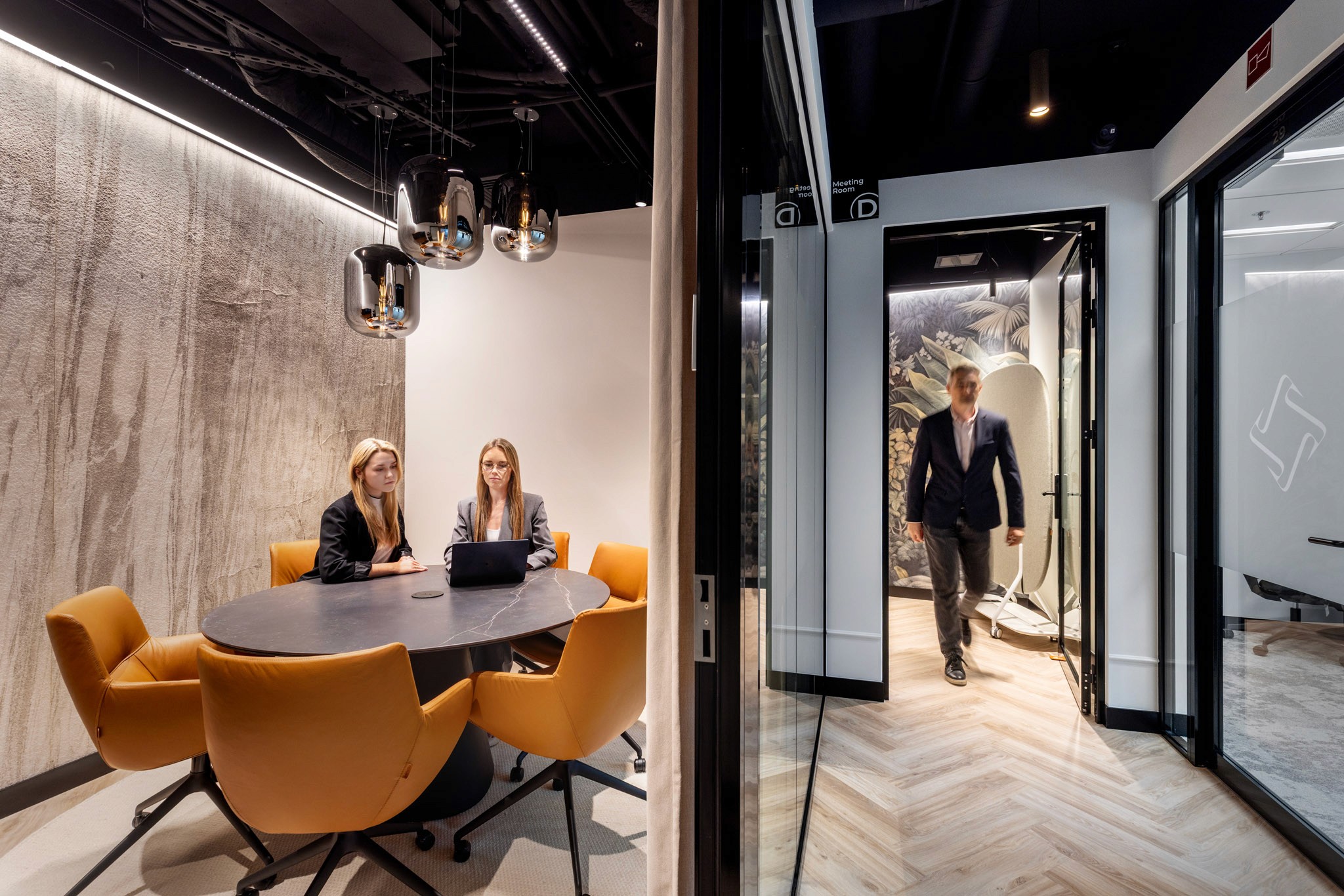
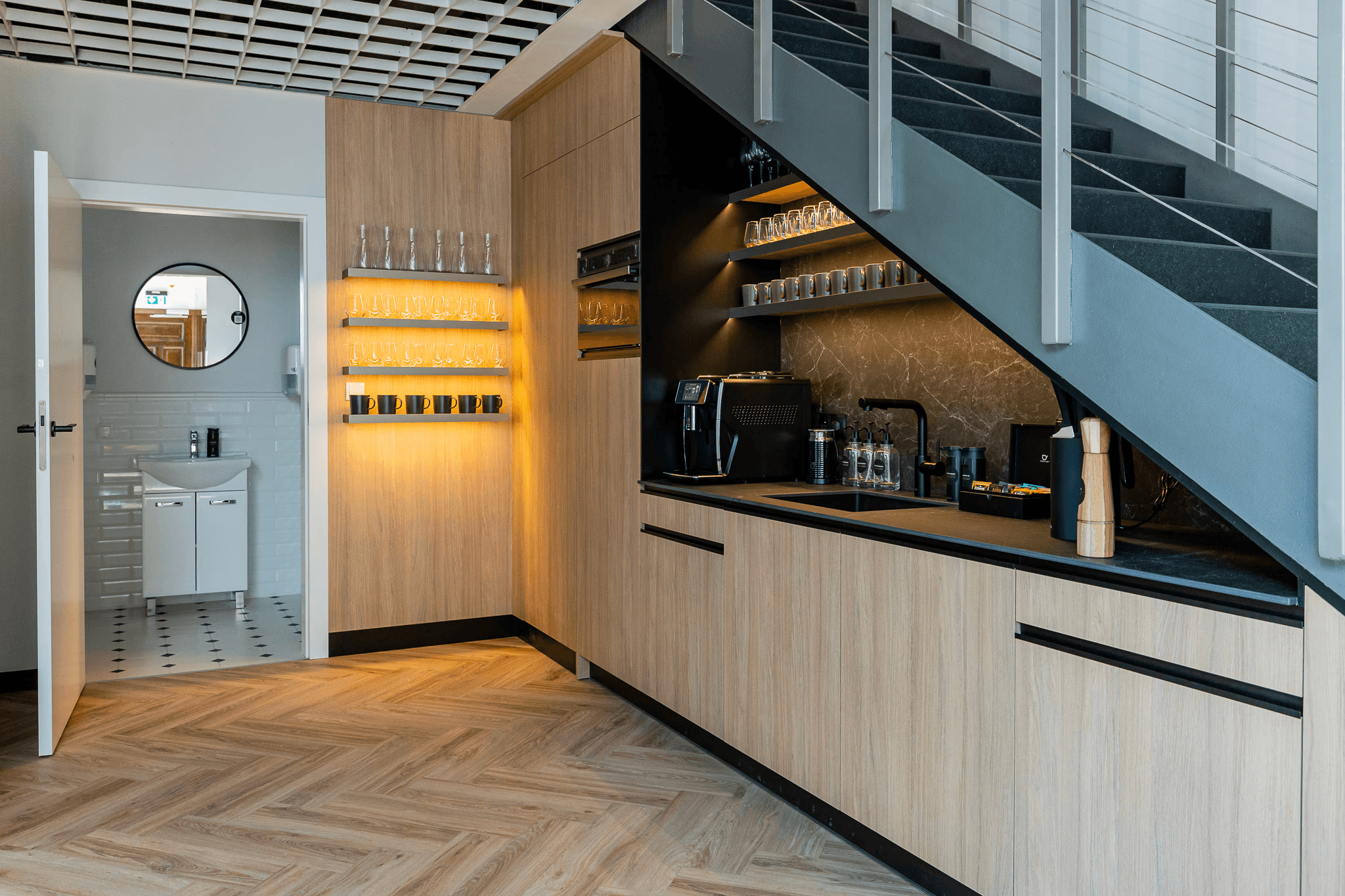
If you type something like "serviced office — what is it" into a search engine, you are really asking a simple question: what does the day-to-day look like and who is responsible for what? In the serviced model, the space is ready to use: you walk in with desks, back-office infrastructure, access to meeting rooms and common areas already in place, and the ongoing operations run in the background. The key difference from a traditional lease is that you do not need to build an office from scratch or manage "the entire world around it": utilities, cleaning, reception, servicing, and the organisation of shared spaces. You focus on the business; the office runs as a service.
In practice, this looks as follows: the team arrives at a ready-made workspace, uses areas for work and meetings, and operational matters are handled by the operator. For HR, this often means faster onboarding and fewer issues with access or logistics. For the business owner, it usually means fewer "around-the-office" decisions and fewer situations in which the office consumes time rather than giving it back.
What is included in the price of a serviced office?
In a serviced office, you pay for a ready-made work environment, so the key question is not "how many square metres" but "what do I get in the package and what do I no longer need to pay for separately or organise?" Typically, the price covers access to the office and common areas, core infrastructure, utilities, and day-to-day operations. Differences between offerings emerge where the day-to-day begins: room availability, standard, privacy, acoustics, ergonomics, flexibility to make changes, and quality of support.
To put this in order, below is a straightforward comparison table that helps you see where the "bare office" ends and a genuine service begins.
Area | Serviced Office | Traditional Office Lease |
|---|---|---|
Launch | Fast - the space is ready | Lengthy: design, fit-out, vendors |
Operations & management | Handled by the operator | Handled by the company or a property manager + company coordination |
"Background" costs | Usually bundled or predictable | Often dispersed, variable, requiring separate contracts |
Scaling | Easier (changing the number of workstations/layout) | Harder (floor space, contracts, works) |
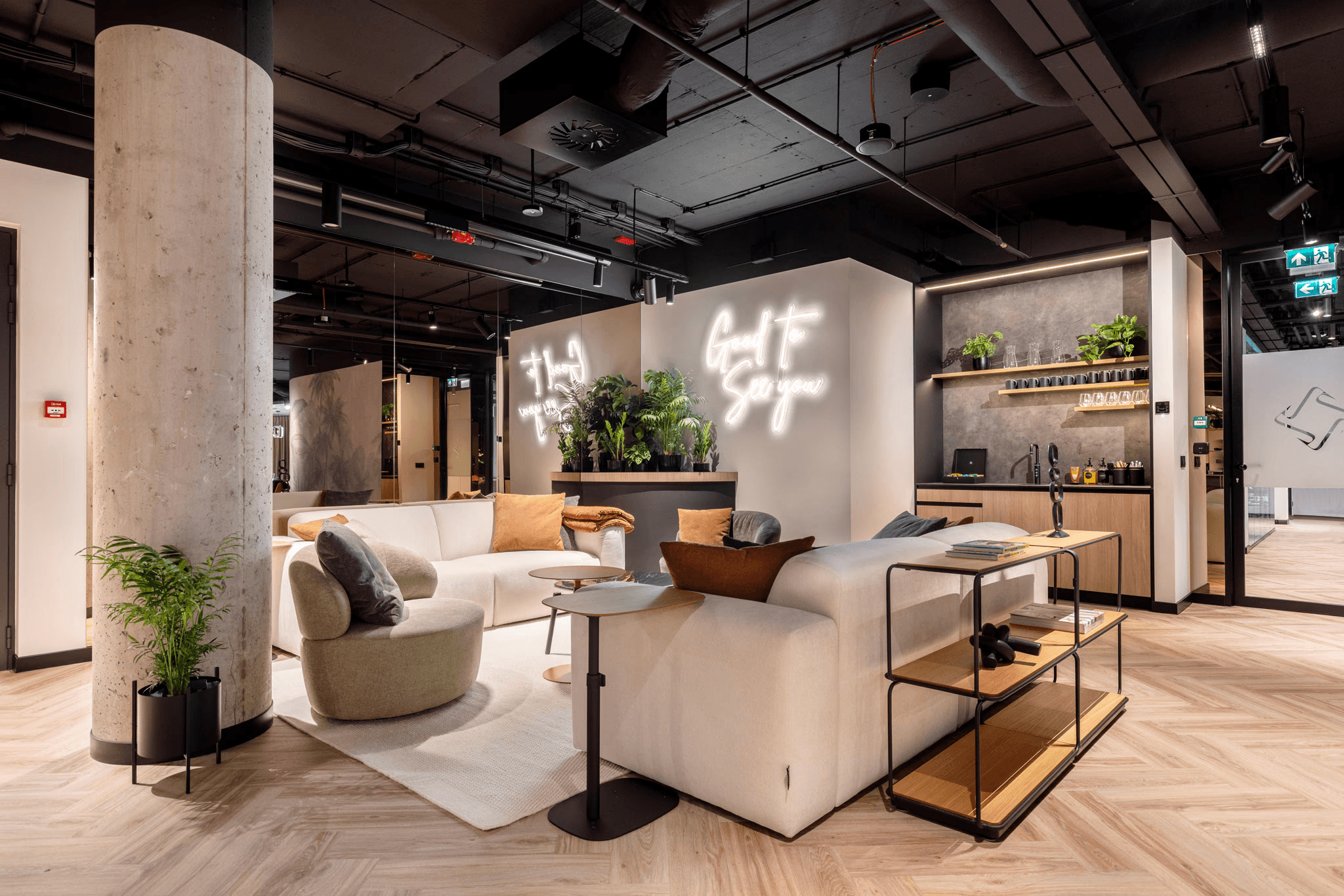
Meetings & common areas | Often available as part of the service | Depends on the building; frequently organised separately |
If you are comparing models and want to see a more "traditional" alternative, it can be helpful to look at a classic lease and compare it with the serviced model in terms of launch time and obligations on your side.
Key benefits of a serviced office
The greatest benefit is usually underestimated: the office stops being a project that needs managing and becomes a tool for work. In practice, this means time savings for decision-makers and a lower risk that something "will not deliver" — because the office is not being built from scratch under stress and deadline pressure. The second important advantage is flexibility: when the team grows, the working model changes, or the company enters a new phase, it is easier to adjust the space without a major upheaval.
Benefits for the company typically fall into three layers. The first is operations: fewer contracts, less vendor coordination, fewer breakdowns "on your head." The second is people: a better employee experience, smoother onboarding, a higher chance that the office will be used rather than avoided. The third is the business itself: predictability and the ability to respond to change more quickly. It is also worth remembering the image dimension — a cohesive, ready-made workspace with meeting facilities does its job in recruitment and client relations, but without marketing hyperbole: it is simply more convenient and more professional.
A typical mistake when evaluating benefits is looking solely at the monthly cost and ignoring the cost of time. If someone in the company spends several hours a week on office-related matters, that is a real cost that does not appear in the "rent + utilities" table.
Who does a serviced office pay off for?
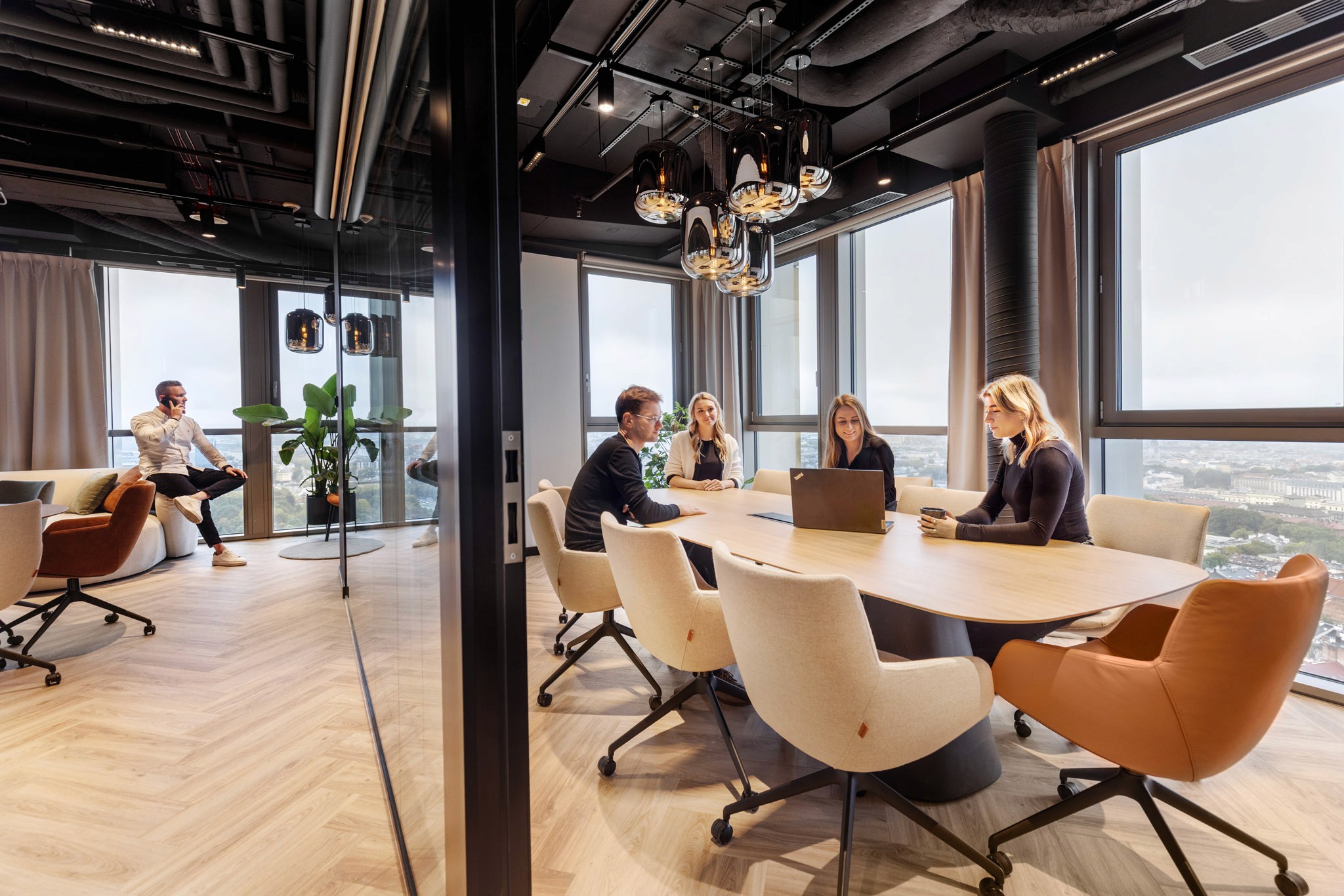
This solution works best in companies that want to get moving quickly, maintain the quality of their work environment, and at the same time not freeze energy on organising an office. The value proposition grows when the team is changing (hiring, rotating, scaling), when you work in a hybrid model and do not want to invest in square metres that will sit empty, or when you have a high volume of meetings and need well-functioning infrastructure.
If you have a small team but plan to grow and want to avoid relocating every few months, a serviced model usually offers more peace of mind. If you work on a project basis, engage directly with clients, and count on smooth meeting logistics, a solution with managed facilities and support wins. If, however, you have very specific infrastructure requirements, full control over fit-out and branding, and stable floor space for years ahead, a traditional lease may be closer to your style — but then you need to calculate the full cost and implementation time.
How to choose a serviced office
Choosing a serviced office is simpler when you stop starting from "nice interiors" and start from your team's work profile. First, determine whether the dominant tasks require quiet or whether work is conducted in a mode of conversations and meetings; how many calls you have and how many meetings take place on-site per week; whether you need privacy and a fixed layout, or a flexible setup. Only then should you look at location, room availability, acoustics, and standard.
In practice, it is also worth watching out for several common pitfalls. One is choosing too much space "just in case," which freezes budget and turns the office from a tool into a fixed cost. The second is underestimating calls: if the team has a lot of meetings and rooms are hard to book, the day-to-day quickly becomes painful. The third is having no plan for changing the number of workstations - and that, after all, is one of the core advantages of the serviced model.
Checklist - a quick fit-test for a serviced office
Do you know how many people will realistically be in the office during a typical week (not "on paper")?
Have you calculated how many calls/meetings per week require a room or a private space?
Do you know whether quiet and focus or teamwork and dynamism matters more?
Does the location shorten commutes for key people and make meetings easier?
Do you have a plan for scaling up or down without overhauling the entire office strategy?
How much does a serviced office cost and what drives the price?
The cost of a serviced office depends on what exactly you are buying: location, standard, level of privacy, room availability, and contract flexibility. A space in a prime location with a high standard and strong meeting facilities is priced differently from a more budget-friendly option where you get the basics but fewer "premium" extras. It is also worth remembering that the price increases with expectations around privacy and comfort: the more "like your own office" the experience, the more elements need to be in place.
If you are unsure how to compare costs, the best approach is to map out your criteria and match the model to actual usage: how many days per week the office will be active, how many people actually use it, how often you need meeting rooms, and whether the team works quietly or "on calls." This usually produces a more accurate answer than chasing the lowest rate. If you want to see different locations and models in practice, you can compare serviced offices in the cities where The Shire operates - and ask our consultant about a variant tailored to your headcount and team's working style.
Serviced offices at The Shire
A serviced office is a solution for companies that want a ready-made, professional workspace without entering a lengthy organisational process and without taking on day-to-day office duties themselves. The greatest value appears when time, flexibility, and predictability matter — and the office is meant to support the business, not burden it.
If you want to see available locations and find out which office will be the best fit for your team, explore The Shire's offering: serviced offices in Warsaw, serviced offices in Cracow, and serviced offices in Wroclaw.